© 2026 Institute for Biotechnology and Medicine Industry & Research Center for Biotechnology and Medicine Policy

2018-07-09
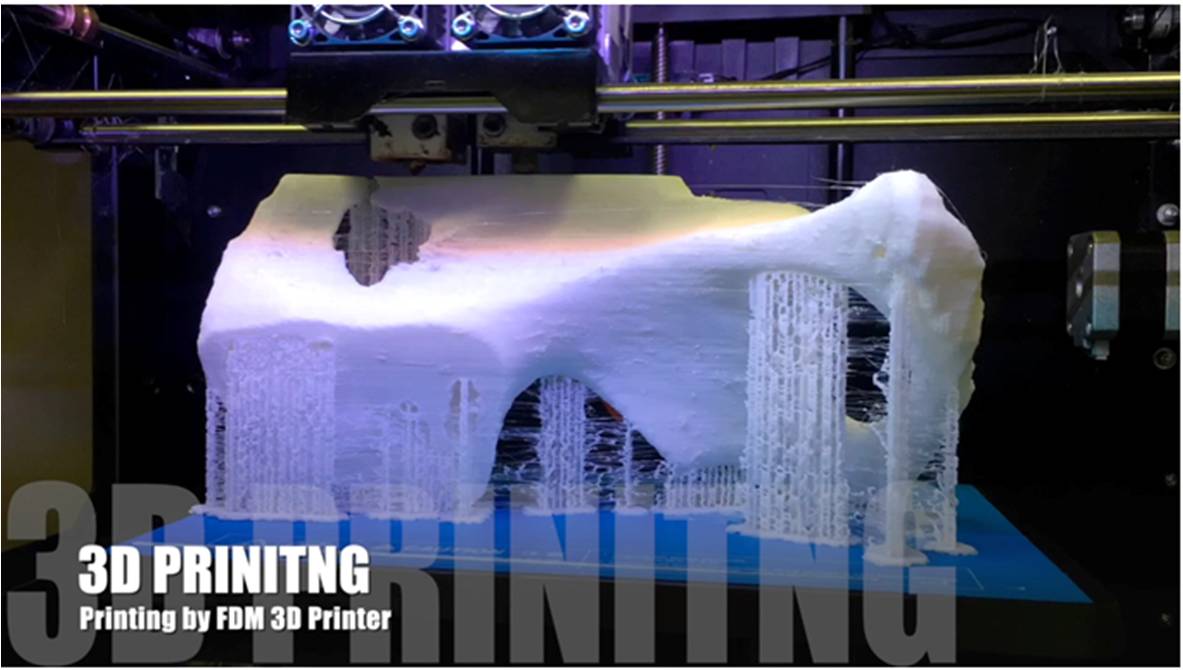
At the end of May 2018, the Medical 3D Printing Center at the National Defense Medical Center opened for service for the first time. Meanwhile, the Tri-Service General Hospital (TSGH) signed a contract with NAR Labs Instrument Technology Research Center to collaborate on a “Medical 3D Printing Platform in the Asia-Pacific Region” project that provides clinicians with a platform for sharing resources to develop high-level medical devices as a step toward personalized medicine. The platform will continue to accumulate large amounts of imaging data for the development of medical AI technology and expand on collaborations with the international community.
In October 2016, Dr. Tsu-Te Yeh, the Director of the Orthopaedics Department at TSGH, began developing an innovative treatment for complex pelvic fracture and hip joint fractures with his team. The treatment involved using CT images of the patient and printing a 1:1 model of the pelvis with the latest 3D image simulated reduction technique and 3D printing technology. Prior to the surgery, a steel plate is molded according to the surface of the patient's bone, then, after planning the location of the steel plate, the placement of plates and screws from a minimally invasive incision was simulated to avoid the complications of inappropriate screw length and placement. This type of 3D-printing-assisted pelvic surgery can significantly cut down surgery time (on average by 70 minutes), reduce average bleeding by 274 ml, reduce postoperative pain, and significantly shorten the time required for fixing and placement during the surgery (by 57 minutes on average). In addition, the patients recover faster, and are able to perform muscle strength and joint rehabilitation activities in the bed by day 4 post-operation. It really turns a new page for the treatment of pelvic and hip joint fractures.
The key to success of the TSGH Department of Orthopaedics 3D Printing team is bringing together different departments, a license in 3D printing technique, and orthopaedics doctors familiar with treating pelvic or hip joint fractures. In addition, the standardized procedure allows the hospital to independently complete tasks from image input to model-printing, significantly reducing the time spent on these tasks. Compared to other hospitals in the world, TSGH treats more cases, and its use of customized plates produced from 3D-printed models is simpler, faster, and more effective than its counterpart. The team's work has been published in the international journal-International Orthopaedics.
For pelvic and hip joint fracture operations, it is critical that the surgeon is very familiar with the anatomical features and able to produce plates that match the curvature of the pelvis and hip joint. Dr. Yeh remarked that in the past, the curvature of the plate could only be decided during the operation, and the curvature would require multiple adjustments during placement to achieve the most form-fitting angles while requiring multiple images from a mobile x-ray machine. Such process added to the operation time and time under anesthesia, increased bleeding and damage to soft tissues and extended radiation exposure of the medical staff. The new technology allows for customized plate beforehand using simulations to provide the most suitable curvature with the best placement, help with fracture reduction, and provide the best fixation.
(Editing by Nicole Yang, Research Center for Biotechnology and Medicine Policy)