© 2026 Institute for Biotechnology and Medicine Industry & Research Center for Biotechnology and Medicine Policy

2018-06-25
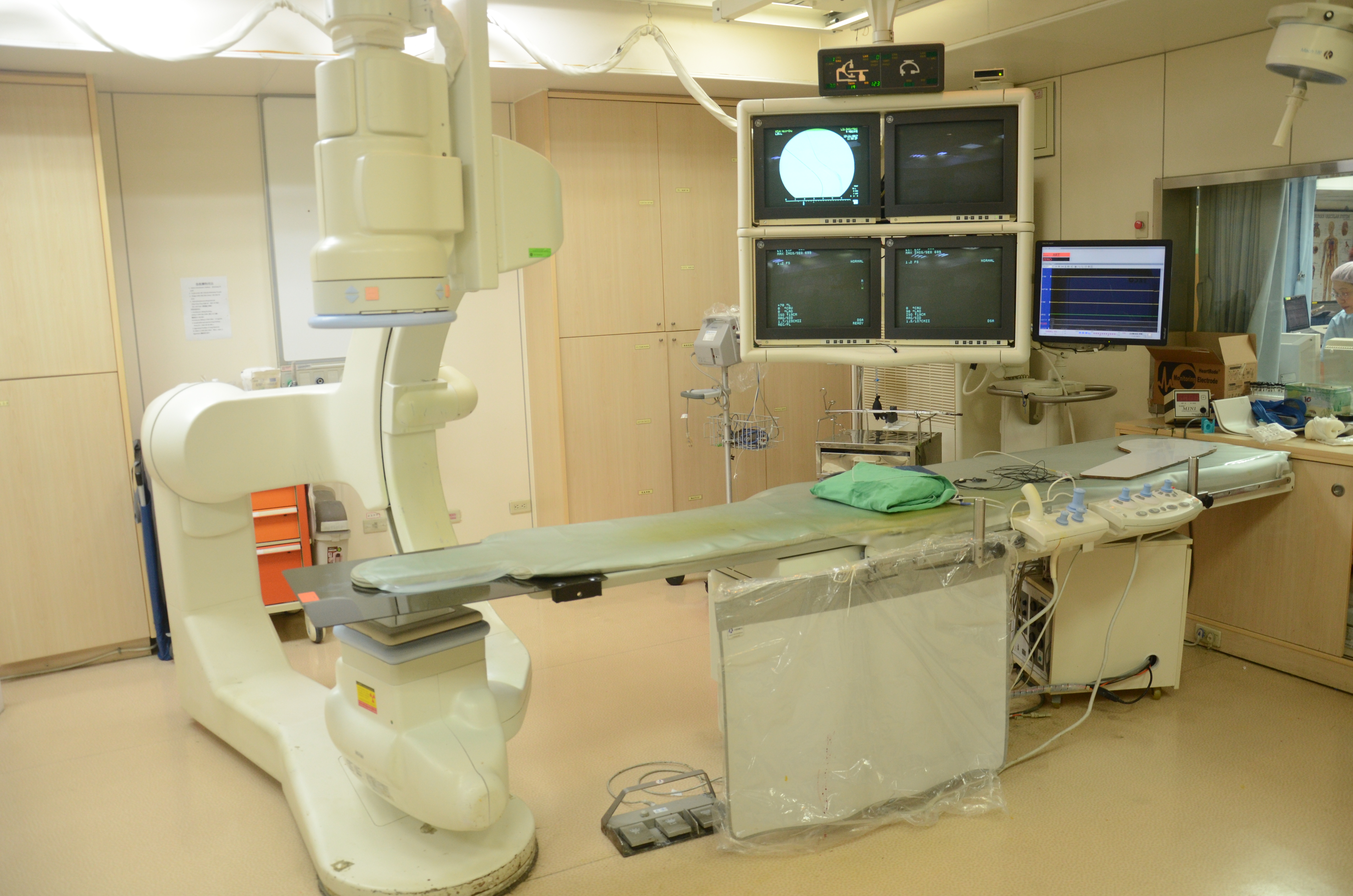
Patients with end-stage kidney disease require the use of hemodialysis vascular access to remove fluid and metabolic wastes. Thrombosis is the most relevant and challenging problem of the dialysis vascular access. The treatment for thrombosis of dialysis vascular access is usually complex, time-consuming, and needs to be timely. If the treatment could not be administered timely, salvage of thrombosed access will be delayed and a temporary dialysis catheter will be inserted for the up-coming dialysis session. A temporary catheter carries potential risks, increases cost, and causes discomfort on the patient. Delayed thrombectomy may render the vascular access unsalvageable. As a result, both the nephrology societies in America and Europe recommend that thrombosis of the vascular access should be treated within 48 hours to avoid the use of a temporary catheter for dialysis. Because of the shortage of interventionists, a timely service of thrombosis is hardly available not only in Taiwan but also around the word. Nevertheless, a breakthrough was developed by a specialized team led by Dr. Chih-Cheng Wu, Director of the Cardiovascular Center at National Taiwan University Hospital. "To save the thrombosed access timely, we are dedicated for 20 years to develop a year-round timely thrombectomy service that could always salvage them within 24 hours. We have changed the scheme for thrombectomy for dialysis vascular access, and this service have been awarded by a variety of societies and conferences around the world."
By integration of techniques in coronary interventions, equipment for mechanical thrombectomy, academic research, standard operating procedures, and continuous quality improvement, the complexity and procedural time of thrombectomy procedures has been vastly decreased while the success and patency rates are significantly improved. The team has accumulated data from over 30,000 procedures in its database. Comparing to the scale of other database in published literatures, it is possibly the largest database in Asia. The achievement for the team included: 95% thrombectomy procedures completed within 24 hours, a 94-99% clinical success rate, and a 90-93% patency rate at 1 year after treatment. These outcomes are remarkable when compared to that of renowned teams around the world.
To develop a more effective model of vascular access management, the team is committed in basic, quality, and clinical research. The team's achievements were published in the most prestigious journals of its respective fields, including Journal of Vascular and Interventional Radiology, Journal of the American Society of Nephrology, and the Journal of Vascular Surgery. The timely thrombectomy service model was even awarded at the 22nd cardiovascular summit, TCTAP 2017 at Korea, capturing the attention of the international academic community. When asked about future goals, Wu responded that he hopes to improve the outcome of thrombosed access through an integrated approach by interventionists and vascular surgeons. New tools from coronary and peripheral arterial interventions will be introduced into therapy of dialysis vascular access through clinical trials. Collaborations with colleges of engineering were undergone to develop a wearable device for early detection of thrombosis. Finally, studies to improve post-interventional patency and programs for training of young interventionists will be continued to generalize their achievement and benefit more dialysis patients.
(Editing by Nicole Yang, Research Center for Biotechnology and Medicine Policy)
※Industry Cooperation: Please contact the team regarding R&D collaboration, training, and promotions.
※World's First or Asia's First Technological Breakthroughs by the Cardiovascular Center of National Taiwan University Hospital Hsinchu Branch
1.Asia's First Technological Breakthroughs
| Innovation | Description |
| Cutting balloon and high-pressure balloon angioplasty therapy | Introduced techniques of coronary artery interventions to improve success rate and patency rate |
| Mechanical thrombectomy for native vascular access | Broaden the indication for mechanical thrombectomy, facillitate the removal of wall-adherent thrombus, and decease complications |
| Drug-eluting balloon therapy for stenosis of graft vascular access | Introduced techniques of coronary artery interventions to improve patency |
2.World's First Technological Breakthroughs
| Innovation | Description |
| Transradial approach for thrombotic vascular access | Introduced techniques of coronary artery interventions to make puncture and hemostasis easy, decrease the workload of technicians |
| Transradial approach for immature vascular access | Introduced techniques of coronary artery interventions to make therapy easy and decrease the injury on vessels |
| Timely thrombectomy within 24 hours of vascular access thrombosis | Avoid the use of temporary catheter, prolong life span of vascular access and make patients free from the fear of thrombosis |
Source: Cardiovascular Center, National Taiwan University Hospital Hsinchu Branch